


Advanced Rectal Cancer Treatments in Los Angeles
Rectal cancer treatment can involve surgery, chemotherapy, radiation therapy, immunotherapy, or a combination of these approaches. This article explains how Dr. Karen Zaghiyan provides the best rectal cancer treatment in Los Angeles, with advanced robotic and transanal surgical techniques.
A rectal cancer diagnosis can bring a flood of questions. What stage is the cancer? Will treatment involve surgery, chemotherapy, or radiation? Can the rectum and anal sphincter be preserved? These concerns deserve clear answers and a treatment plan built around your health, your cancer, and your goals.
Advances in rectal cancer care can include minimally invasive surgery, chemotherapy and radiation before surgery, or close monitoring after a strong response to treatment. Treatment options vary widely based on the factors that shape treatment decisions. The right approach depends on the tumor’s size and location, whether it has spread, and how it responds to therapy.
Read on to learn more about the effectiveness of individualized care that brings advanced colorectal surgery and multidisciplinary cancer planning together, and where to find the best rectal cancer treatment in Los Angeles for protecting bowel function and quality of life whenever possible.
How Is Rectal Cancer Treatment Planned?
Rectal cancer develops in the final section of the large intestine, close to the muscles and nerves that control bowel, bladder, and sexual function. This location makes treatment more complex than surgery for some other colorectal cancers.
Before recommending a treatment, your care team needs a clear picture of the cancer to determine whether treatment should begin with surgery, medication, radiation, or a combination. This comprehensive evaluation can include several different screenings, including:
- Colonoscopy and biopsy to identify the tumor and confirm the diagnosis
- Pelvic MRI to assess the tumor’s depth, location, nearby structures, and regional lymph nodes
- CT scans to check for cancer that may have spread to other parts of the body
- Blood tests, including a carcinoembryonic antigen test when appropriate, to help establish a baseline for monitoring
- Tumor testing to identify certain genetic or molecular features that may affect treatment choices
What Are The Best Rectal Cancer Treatments in Los Angeles?
Rectal cancer treatment depends on the stage of the disease and the characteristics of the tumor. Some early cancers can be removed through a local procedure, while more advanced tumors can end up requiring a combination of medication, radiation, and surgery. Some of the most effective colorectal treatments include:
Local Excision
Some very early rectal cancers remain limited to the inner layers of the rectal wall. In these cases, a surgeon can remove the cancer and a small margin of surrounding tissue without removing the entire rectum. This approach can preserve more of the rectum and avoid a larger operation. However, local excision is appropriate only when the tumor’s size, depth, grade, and other features meet specific criteria. The surgical team must also consider the risk of cancer remaining in nearby lymph nodes. Two procedures that may allow local removal of selected rectal lesions are transanal minimally invasive surgery and other forms of local excision.
Chemotherapy and Radiation Before Surgery
Many patients with stage II or stage III rectal cancer receive treatment before surgery. Chemotherapy and radiation can shrink a tumor, treat cancer cells in the surrounding area, and help reduce the chance of the cancer returning.
Additionally, some patients qualify for total neoadjuvant therapy, which gives all chemotherapy and radiation before surgery rather than reserving some chemotherapy for after the operation. The sequence and combination depend on the cancer’s stage, risk features, and the patient’s overall health.
Immunotherapy
Immunotherapy helps the immune system recognize and attack cancer cells. It can be an option for some rectal cancers with specific molecular features, including tumors with mismatch repair deficiency or high microsatellite instability. Tumor testing is needed to determine whether a patient may benefit.
How Does Robotic Rectal Cancer Surgery Work?
Robotic rectal cancer surgery allows a surgeon to operate through small incisions using instruments controlled from a console. The system provides a magnified, three-dimensional view and instruments that can move with precision in the narrow space of the pelvis. This is especially useful when a tumor sits close to delicate structures involved in bowel, bladder, and sexual function.
Potential benefits of minimally invasive robotic surgery include:
- Smaller incisions than traditional open surgery
- Less trauma to the abdominal wall
- Reduced postoperative pain for many patients
- A shorter hospital stay in appropriate cases
- A recovery that may allow an earlier return to daily activities
What Is Transanal Total Mesorectal Excision?
Transanal total mesorectal excision, or taTME, is an advanced approach to rectal cancer surgery. It allows the surgeon to work through the anal canal as part of the operation, providing access to the lower rectum from below.
During total mesorectal excision, the surgeon removes the rectum and the surrounding fatty tissue that contains lymph nodes and other structures where rectal cancer may spread. The transanal approach can help remove tumors deep in the pelvis and see the lower rectum from a different angle.
Can Rectal Cancer Be Treated Without Removing the Rectum?
Some cases of rectal cancer can be removed without removing the rectum, but this depends on how completely the cancer responds to treatment and whether close follow-up is feasible. Additionally, this approach requires close surveillance with regular exams, imaging, and endoscopy to monitor for recurrence, and surgery may still be needed if cancer returns.
Whenever possible, surgeons aim to remove rectal cancer while preserving the anal sphincter muscles. Depending on the tumor’s location, options may include low anterior resection or intersphincteric proctectomy. Even with this approach, some patients may still need a temporary or permanent ostomy.
What Is Transanal Minimally Invasive Surgery?
Transanal minimally invasive surgery, or TAMIS, is a technique that allows experienced surgeons to remove selected rectal lesions through the anal canal, without abdominal incisions. A specialized port gives the surgeon access to the rectum, while laparoscopic instruments and a camera provide a magnified view. TAMIS can be used for certain early rectal cancers, large polyps, and lesions that cannot be removed safely during colonoscopy. It’s important to understand that TAMIS can’t be used to replace more extensive surgery when a tumor has spread deeper into the rectal wall or to nearby lymph nodes.
What Can I Expect During Rectal Cancer Surgery?
Before any colorectal cancer treatment, top surgeons will prepare by reviewing imaging, biopsy results, and treatment history, completing preoperative tests, and discussing any medications you take, how to do bowel preparation, and what to expect during recovery.
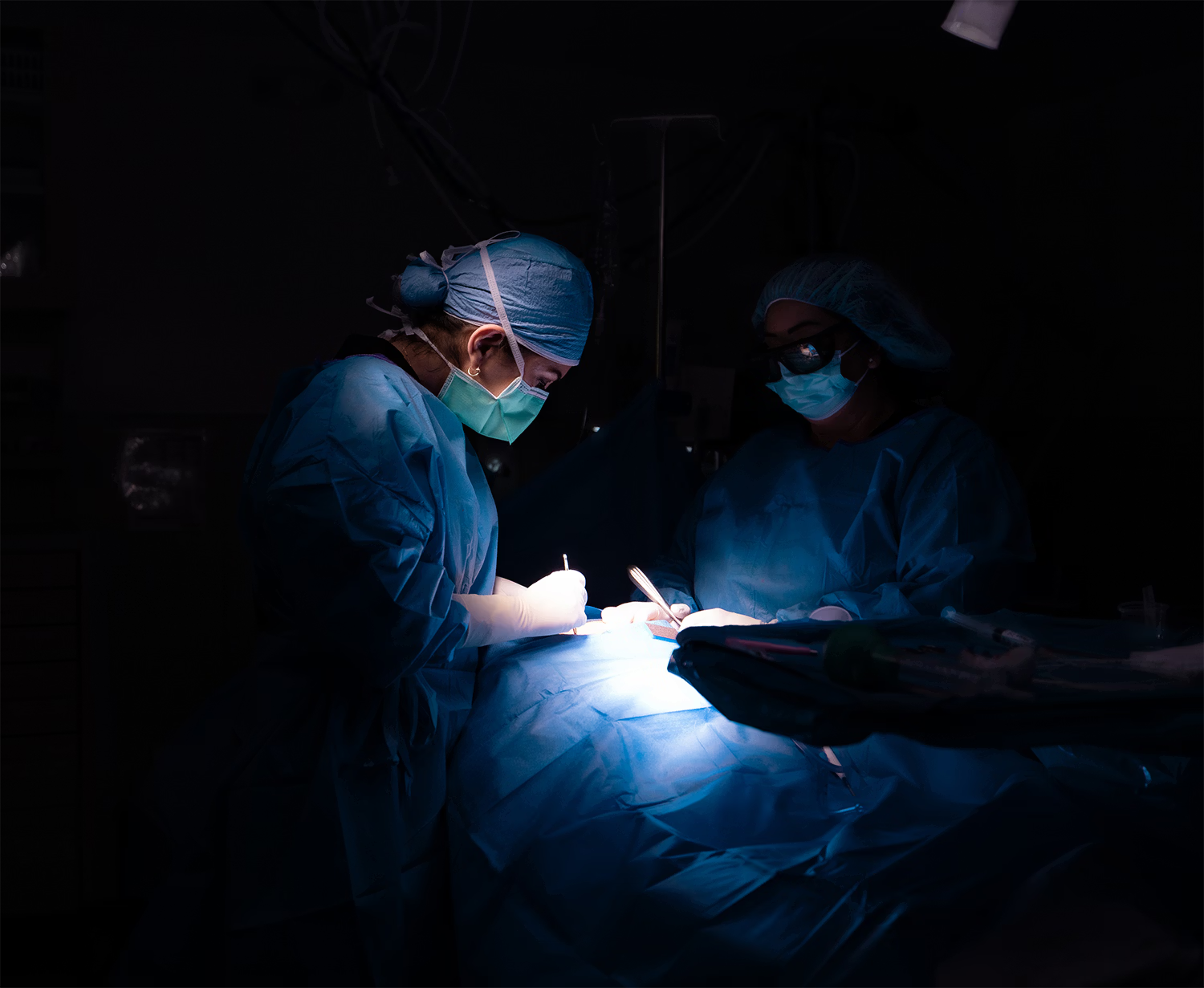
During surgery, the best robotic surgeon for colon cancer in Los Angeles uses minimally invasive or transanal techniques for precise dissection to preserve nearby nerves and sphincter function. Pain management and nerve blocks are used to reduce discomfort after surgery. During recovery, your surgical team will guide you through increasing activity level, wound care, diet, bowel habits, and follow-up.
Where to Find the Best Rectal Cancer Treatment in Los Angeles
After a rectal cancer diagnosis, choosing a surgeon with extensive experience in rectal cancer treatment options and sphincter-preserving surgery is essential to preserving bowel function, maintaining continence, supporting recovery, and protecting long-term quality of life.
Dr. Karen Zaghiyan, MD, FACS, FASCRS, is a board-certified colorectal surgeon at Cedars-Sinai Medical Center and a nationally recognized leader in minimally invasive colorectal surgery. She serves as director of the Colorectal Cancer Tumor Board at the Samuel Oschin Comprehensive Cancer Institute and has advanced experience in robotic rectal cancer surgery, taTME, TAMIS, and sphincter-preserving procedures. Her approach to treatment combines careful treatment planning with surgical techniques designed to remove cancer while preserving normal function whenever safely possible.
Ready to discuss the best rectal cancer treatment in Los Angeles, including advanced robotic surgery, transanal techniques, and organ-preserving strategies?


Request an appointment
For patients who need an urgent consultation, it is best to call us at (310) 289-9224. Otherwise, please complete and submit the form below and a member of our staff will contact you shortly.


